DIWALI, DIWALI CELEBRATIONS, FESTIVAL OF LIGHTS DIWALI, DIWALI HISTORY, story of Diwali, Deepawali gifts ideas, FESTIVALS OF INDIA, FESTIVALS OF USA, FESTIVALS OF BRITAIN, FESTIVALS OF CHINA
US Festivals | Indian Festivals | Chinese Festivals | British Festivals
Custom Search
Showing posts with label indian festivals. Show all posts

Sunday, July 3, 2011

Festivals of Madhya Pradesh | Madhya Pradesh culture


The Central Indian state of Madhya Pradesh has it's own set of festivals and distinct culture. Festivals of Madhya Pradesh are spread throughout the year. There are many regional festivals celebrated in Madhya Pradesh like Madai celebrated in bastar region. Bhagoriya festival is a very interesting one which signifies love, romance and even marriage.

Following is complete list of festivals celebrated in Madhya Pradesh:

- Khajuraho Festival of Dance, Khajuraho
- Nimar Utsav
- Fair of Nagaji
- Bahgoriya
- Diwali
- Dussehra
- Madai
- Chethiyagiri Vihara Festival, Sanchi
- Navratri Festival, Ujjain
- Shivratri Mela, Pachmarhi
- Tansen Music Festival, Gwalior


For complete list of festivals celebrated in states of India:
Regional Festivals of India

Gujarati Festivals | Festivals of Gujarat


Gujarat is state situated in western India, Festivals in Gujarat are celebrated with great enthusiasm and religious beleif, Gujarat has a unique culture and Gujarati Festivals have their own value in gujarat. The most colorful and popular festival is Navratri celebrated throughout nine nights in the month of October. People of all age groups assemble in temple compounds and sing and dance till the wee hours in he morning. The festival ends with Dusshera. Other festivals celebrated in Gujarat are Diwali, Holi, Janmastami and Raksha Bandhan. Festivals like International Kite Festival, Modhera Dance Festival and Saptak Music Festival are celebrated in Gujarat.

Following are festivals celebrated in Gujarat:

- Navaratri
- Holi
- Dussehra
- Diwali
- Janamashtami
- Raksha Bandhan
- International Kite Festival
- Music Festival
- Ambaji Mela
- Parikarma Fair
- Shamlaji Fair
- Vautha fair


For Complete list of regional festivals of India:
Regional Festivals of India

Sunday, June 6, 2010

Hindu Festivals of India

Holiday Observed in
Bhogi Andhra Pradesh
Pongal

(Tamil New Year)
Andaman & Nicobar, Andhra Pradesh, Arunachal Pradesh, Assam, Gujarat, Karnataka, Puduchery, Tamil Nadu
Thiruvalluvar Day Puduchery, Tamil Nadu
Uzhavar Thirunal

(Farmers' Day)
Tamil Nadu
Vasant Panchami Orissa, Tripura, West Bengal
Maha Shivaratri Andhra Pradesh, Assam, Chandigarh, Chhattisgarh, Gujarat, Haryana, Himachal Pradesh, Jammu & Kashmir, Karnataka, Kerala, Madhya Pradesh, Maharashtra, Manipur, Orissa, Uttarakhand, Uttar Pradesh
Holi all states and territories except Karnataka, Kerala, Nagaland, Puduchery, Tamil Nadu and Tripura
Cheti Chand

(Sindhi New Year)
Uttar Pradesh
Gudi Padva

(Marathi New Year)
Goa, Maharashtra
Ugadi
(Telugu New Year)
Andhra Pradesh, Karnataka, Puduchery, Tamil Nadu
Rama Navami Andhra Pradesh, Bihar, Chandigarh, Delhi, Gujarat, Madhya Pradesh, Maharashtra, Orissa, Punjab, Rajasthan, Sikkim, Uttarakhand, Uttar Pradesh
Bihu
(Assamese New Year)
Assam
Pohela Boishakh
(Bengali New Year)
Tripura, West Bengal
Maharishi Parasuram Jayanti Karnataka, Uttar Pradesh
Raksha Bandhan Gujarat, Rajasthan, Uttarakhand, Uttar Pradesh
Krishna Janmashtami Andhra Pradesh, Assam, Bihar, Chandigarh, Delhi, Gujarat, Haryana, Himachal Pradesh, Jammu & Kashmir, Orissa, Punjab, Rajasthan, Tamil Nadu, Uttarakhand, Uttar Pradesh, Maharashtra
Ganesh Chaturthi Goa, Gujarat, Maharashtra, Orissa, Andhra Pradesh,Puduchery, Tamil Nadu, Karnataka
Onam Kerala, Puduchery
Mahalaya Karnataka, West Bengal, Assam
Dussehra all states and territories except Punjab

observed for 2 days in Andhra Pradesh, Assam, Bihar, Kerala, Nagaland, Orissa, Sikkim, Tamil Nadu, Karnataka, Uttarakhand and Uttar Pradesh

observed for 3 days in Assam, Meghalaya and Tripura

observed for 4 days in West Bengal
Lakshmi Puja Assam, Tripura, West Bengal, Maharashtra
Diwali all states and territories

observed for 2 days in Assam, Gujarat, Karnataka, Maharashtra, Uttarakhand and Uttar Pradesh
Bhai Duj Uttarakhand, Uttar Pradesh, Maharashtra

Saturday, August 29, 2009

Festivals of Rajasthan | Rajasthani Festivals

The Rajasthanis love for color and joyous celebrations is well reflected by the elaborate rituals and the gay abandon with which they surrender themselves to the numerous festivals of the region. In fact the love for fun and frolic during the festive celebrations makes this the most colorful deserts in the world. Many traditional fairs are held after the respective festival comes to an end. The festivals of Rajasthan are well known all over the globe and marked with the largest participation of all. The state festivals of Rajasthan are marked with as much exuberance and ebullience as the religious festivals.

Kite Festival - This festival is celebrated as Makar Sankranti by the Rajasthanis on the 14th of January every year and heralds the transition of the Sun into the Northern hemisphere. This is also regarded as a big kite day in most parts of the Indian subcontinent and on this special day the young as well as the old are seen with their heads turned towards the sky. Every member of the family joins in the joyous celebration and shouts of `"Who Kata Hai!" This is a three days festival and the inauguration of the festival is held at the Polo ground. The last day of the festival can be witnessed in the exquisite lawns of the Umaid Bhawan Palace, the royal residence of the Maharaja of Jodhpur.

Elephant Festival - During this festival one can witness a stunning spectacle of rows of elephants, all groomed to perfection and glittering in gold cat walking before a spellbound audience. It is in fact a festival time for the elephants that not only move gracefully in procession but also run races, play the royal game of polo and participate in the `festival of colors`. The Elephant Festival of Rajasthan is one of the major tourist attractions of the state and reflects the ancient splendor of the bygone imperial era. In fact the inhabitants of Rajasthan revived the tradition by including the Elephant Festival in the cultural calendar.

Desert Festival - Desert Festival is one of the most important events of Rajasthan and is held in the months of January/February. In this much-awaited festival, performing arts of the region is showcased with much enthusiasm and vigor. Numerous turban tying competitions and camel races are some added attractions of this festival. During this festival the city reverberates to the sound of the melodious tunes and rhythms. Colorful craft bazaars are also set up during this much-awaited occasion and folk artists from the remotest corners of the state can be seen performing against the splendiferous backdrop of the far-famed sand dunes on the full moon night.

Mewar Festival - This grand festival is celebrated to welcome the season of spring. Though it has a unique charm about it, it coincides with the festival of Gangaur in Udaipur. It holds a special symbolic significance for the women of Rajasthan. They adorn themselves in best clothes and gather together to dress the images of Isar and Gangaur, which are then carried in a ceremonial procession through the different parts of the city. The cultural events take place once the religious part of the festival comes to an end. In the cultural programmes one can witness the beauty of the Rajasthani culture.

Marwar Festival - This festival is held in the month of October in the region of Jodhpur in Rajasthan. It is grandly celebrated to showcase the art and culture of the region and is also devoted exclusively to songs and dances. It is observed for two days during the full moon of Sharad Purnima. Horse riding, horse polo and various other competitions marks this hugely popular festival of the state.

Camel Festival - The camel festival event, organized by the Department of Tourism, Art and Culture, Government of Rajasthan every year in the first month of the English calendar. The folk dances and songs enhances the spirit of the festival and the activities of the camels fascinate tourists from all over the world with their movements, beguile and gracility. The Camel Pageant is observed on the first day and the best-decorated camel is awarded. The tea and sweets prepared from camel milk are made available to the visitors who are interested in trying them out. The conclusion of the festival is marked by a magnificent display of fireworks, which illuminates the desert city of Bikaner

Regional festivals of India | Indian Festivals list

India is country which comprises of most diverse cultures and landscapes as well as Indians are very diverse with lots of religious festivals, cultural festivals around now and then. The main reason for India being too diverse is because pre independent india consisted of numerous princely states present in different geographies and all of them were different in culture, race from the oyher princely states . All the regional pre indepent princely states became modern sovereign states of india hence there are lot of regional festivals celebrated in all the 31 states and Union territories.

Here i have tried to provide you information about regional festivals of india in single post, the festivals are divided according to the states in which they are celebrated.

So here we go...just click on the state link to see the festivals celebrated in that indian state

Regional festivals celebrated in india -

1. Festivals of Karnataka
2. Festivals of Kerala
3. Festivals of Punjab
4. Festivals of Maharashtra
5. Festivals of Goa
6. Festivals of Madhya Pradesh
7. Festivals of Tamil Nadu
8. Festivals of Andhra Pradesh
9. Festivals of Orissa
10. Festivals of Gujarat
11. Festivals of West Bengal
12. Festivals of Assam
13. Festivals of Rajasthan
14. Festivals of Haryana
15. Festivals of Uttar pradesh
16. Festivals of Uttarakhand
17. Festivals of Jammu & Kashmir
18. Festivals of Bihar
19. Festivals of Jharkhand
20. Festivals of Sikkim
21. Festivals of Arunachal Pradesh
22. Festivals of Tripura
23. Festivals of Chattisgarh
24. Festivals of Nagaland
25. Festivals of Mizoram
26. Festivals of Meghalaya
27. Festivals of Himachal Pradesh

Sunday, September 21, 2008

Festivals of Kerala

Kerala is the southern most state of India, it shares border with Karnataka and Tamil Nadu(in east) Arabian Sea in west.

Kerala is often called "God's own land" and has number of tourist attractions and backwaters, there are lot of festivals celebrated in kerala. Onam is the biggest and grandest festival of Kerala.
Other festivals of Kerala include :

ONAM :

Onam is the most famous festival of Kerala. All Malayali's irrespective of religion celebrates it. It falls in the Malayalam month of Chingam (Aug-Sept). It is the harvest festival of Kerala. Legend states that Onam is celebrated as the home coming of Mahabali, the king who ruled over Kerala in the age of plenty and was pushed down to the infernal regions (Patala) by Lord Vishnu in the form of Vamana

Onam is celebrated as a national festival of Kerala. It synchronizes with the tourist week celebration, which starts formally on the day of Atham asterism. The image of Thrikkakara Appan (Vishnu in the form of Vamana) is installed in every Hindu home during the Onam season. Children go around collecting flowers and decorate them in the front portion of the house in various designs and patterns. The most important days of the Onam festival are Uthradom and Thiruvonam days. On the latter, a grand feast is held in every home. Onam also provides an occasion for family get-together among the Keralites. It's a perfect example for the religious harmony of the state.

Snake Boat Race or Vallamkali :

This is a typical keralite festival of boat races. It is held in August in the Punnamada Kayal, which commemorates the visit of former Prime Minister, Late Jawaharlal Nehru to Alleppey. Similar boat races are held also at Aranmual and Champakulam, which has a religious significance. The later commemorates an episode involving the idol of Sri Krishna, which was lifted from Kurichi by the Chempakasseri Raja's men for consecration in the Ambalapuzha. The idol had to rest in the house of a Syrian Christian at Chempakulam. Therefore, even today the flag and coir rope required for the Chempakulam boat race is supplied from the local Kallurkad Church.Boat races and processions at Ambalapuzha,in July - Nehru Trophy boat race in the month of August- Boat races at Thalavady in Alappuzha, Kumarakom,- Mannar, Aranmula, Thiruvandoor.

Vishu :

The first month of Malayalam Calendar is Medam (April-May) and the first day of Medam is celebrated as Vishu, the New Year day. Begin an auspicious day; it is a common belief that the fortune of the coming year depends on the first day. So the first day begins with ceremony of Kani Kanal, which literally means first sight. At the dawn, the Malayali's begin the first day of the Year by waking up in front of Kani. The Kani includes gold ornament, white cloth, a measure of rice or paddy, bell metal mirror, flowers of the Konna tree (Cussia fistula), halved jack fruits, halved coconuts, yellow cucumber, and two standing oil lamps emitting sparkling light their eyes. Another interesting features of this day are Kaayi neetal where the elder members in the family gift money to the younger ones.

Mahasivarathri :

Hindus celebrate Mahasivarathri, all over the world in Kumbam (Feb-March). It commemorates the day on which Lord Shiva consumed the deadly poison (Kalakuda visham) to save the world from destruction. The offering of special pooja and abhishekhams, and the presentation of cultural programmes in all the Shiva temples celebrate the day. The annual Sivarathri festival held on the banks of River Periyar at Alwaye, is one of the most spectacular local festivals of Kerala, which attracts thousands of pilgrims from all over the state. It has been compared to the Kumbamela at Prayag.

Navarathri :

Literally Navarathri means Nine nights. This festival is celebrated for Navagraha Naayagi (Nine nymphs). It is called by different names in different parts of India. In Karnataka, it is called Dasara, in Bengal - Kali Pooja and in this state it is known as Saraswathy Pooja. Saraswathy is known as goddess of Knowledge. On this day all tools and books are kept for Pooja. Children who are to begin their schooling are made to write the first alphabet in rice with their finger.

Asthami Rohini :

The birthday of Lord Krishna is celebrated with great importance on this day. It is held in the month of Chingam (Aug- Sept). Devotees visit the Krishna temples where special Pooja and cultural programmes are held.

Thrikarthiaka :

This festival is celebrated in the month of Vrischikam (Nov -Dec). Display of light in the evening is a unique part of the festival.

Thiruvathira :

Thiruvathira falls on the month of Dhanu (December-January) and is a women's festival. It commemorates the death of Kamadeva, the cupid of Hindu mythology. The aim of the celebration is conjugal harmony and happiness. The dance form Thiruvathirkkali is associated with this celebration.

Christmas :

All Christians celebrate Christmas as the birthday of Jesus Christ on 25th Dec. Holy Mass is held in all the churches in the state. Carol singing, setting up of Christmas tree in all churches and homes, exchanges of cards and receiving gifts from Santa Claus are all integral part of the festivities associated with the birth of Jesus Christ. There is a feast in every Christian home with meat as a special item, and the celebrations of Christmas leave good memories in every heart.

Easter :

This is another important festival of Christians, which commemorates the resurrection of Jesus Christ. Easter usually falls in March-April, after 40 days lent of fast and penance. Christians go for mid-night mass, as a memory of the resurrection of Jesus, 2000 years ago.

Other Christian Festivals :
St.George's Church, Edathwa - 27 April to 7th MaySt.Sebastian's Church, Arathungal - 20th January to 31st JanuarySt George's Church, Aruvithura - 22nd to 24th AprilSt Thomas Shrine, Malayattur - Last week of March or first week of AprilSt Mary's Orthodox Church, Manarcad - Sepember 1st to 9thParumala, MannarMaramon Convention

Bakrid :

The Bakrid commemorates Ibrahim's (Abhraham) offering of his only son as a sacrifice in obedience to God's command. The Muslims enjoy hearty feasts on Bakrid day. The rich may sacrifice a he goat or a bullock and distribute it among Frieds, relatives and the poor. The famous Haj is performed after the celebration of Idul Azha.

Idul Fitr :

Idul Fitr is celebrated after the conclusion of the Ramzan fast when Muslims give up all kind of food and drink during the day and spend the major part of the night prayer.

Miladi Sharif :

Miladi Sharif, celebrated on a large scale in April, Commemorates the birth of the prophet. This celebration has acquired its present dimensions only in recent times. Previously the day was observed by the Muslims by reading what is commonly known as Maulud which is a short treatise in Arabic celebrating the birth, life, work and sayings of the prophet or some saint.

Muharram :

Muharram is another festival celebrated by Muslims on the 10th day of Muharram the forbidden month, which marks the beginning of the Hijra year.

Chandankudam at Beemapally :

The Chandankudam at Beemapally near Thiruvananthapuram is one of the most colourful of Muslim festival in Kerala. It is said to be the death anniversary of Beema Beeevi, a devout pilgrim lady who came to Kerala from Mecca. The festival begins on the 1st of Jamadul Akhar of the Hijira Era (October) and lasts ten days. Carrying earthen posts smeared with sandal wood paste and the mouth of the pot tightly closed with a Jasmine garland around the edges, thousands of pilgrims go around the mosque and the hallowed tomb of the devout lady in procession. Then the earthen port with money is placed at the tomb as an offering.

Jarram Nercha - Thervath Mosque,
Pallanchathanur Nercha Festival - Ottapalam MosqueJarram Nercha - Theruvath MosqueMalappuram Nercha - Malappuram Mosque
Kodikuthu Festival - Kanjiramattom Mosque
Chandanakkudam Festival- Beemapalli, Thiruvananthapuram

Alleppey (Allaphuzha) - Boat races

- Boat races and processions at Ambalapuzha,in July
- Nehru Trophy boat race in the month of August
- Boat races at Thalavady in Alappuzha, Kumarakom,
- Mannar, Aranmula, and Thiruvandoor
- Chengannur during Onam festival in Septmeber
- Sivagiri Festival at Varkala ,in the month of Decemeber
- St.George's Church festival in Edathwa from 27 April to 7th May
- St.Sebastian's Churchin, Arathungal from 20th January to 31st JanuaryErnakulam (Cochin)
- Utram festival at Tripunithura in the month of February
- Sivarathri Festival at Aluva Manappuram in the month of February
- Sankaracharaya Jayanthy in the month of May at Kalady
- St. George Ferona Church Festival at Edappally, in the month of May
- Ashtami at Vaikom in November
- St Thomas Shrine festival at Malayattur in March / April
- Kodikuthu Festival at Kanjiramattom Mosque 25 km from Kochi

Kottayam

- St George's Church festival in Aruvithura in the month of April
- St Mary's Orthodox Church at Manarcad in the month of September

Malappuram
- Malappuram Nercha in Malappuram Mosque

Palakkad (Palghat)

- Nercha Festival in Ottapalam Mosque

Pathanamthitta

- Makara Vilakku Festival at Sabarimala Temple in January
- Pathishtadinam.at Sabarimala in the month of June
- Ochirakali
- A festival of martial Arts at Ochira in June
- Madalam Festival at Sabarimala Temple in November
- Madala Pooja at Sabarimala Temple in December
- Annual Parumala Perunnal at Parumala Church, 11 km from Thiruvalla
- Maramon Convention in Maramon
- Asia's largest Christian gathering, in the month of February.

Thrissur (Trichur)

- The Elephant march in the month of January
- Kodiyettu at Guruvayoor in March
- Ashtami Festival & Elephant races at Krishna Temple at Guruvayoor in March
- Thrissur Pooram at Trissur in April
- Arattupuzha Pooram at Arattupuzha Temple in the month of April
- Krishna Jayanthi at Guruvayoor in October
- Ekadasi festival at Guruvayoor in December

Thiruvananthapuram (Trivandrum)

- The Elephant march in the month of January
- Onam Tourism week in the month of August
-Septembert- Mahanavami
- Dance & Music Festival in the month of October
- Chandanakkudam Festival in Beemapalli

Punjabi Festivals | Festivals celebrated in Punjab

Punjab is one of the 28 states of Indian subcontinent which shares border with Pakistan in west, rajasthan in south, haryana in east, jammu and kashmir and himachal in north. "Punjab" means land of five rivers (punj -aab).
earlier haryana and himachal pradesh were also part of punjab and were together called as punjab, but in 1966 it was divided since then punjab has much small land area, however it has the highest per capita income in whole india.
Punjab is land of festivals and mela's some of them are as follows :

Birthday of Guru Nanak Dev :

Guru Nanak Dev (the First Nanak, the founder of Sikhism) was born on 20th October, 1469 at Rai-Bhoi-di Talwandi in the present distrect of Shekhupura (Pakistan), now Nanakana Sahib. The Birthday of Guru Nanak Sahib falls on Kartik Puranmashi i.e. full moon day of the month Kartik. On this day the Birthday is celebrated every year. The Shrine (Gurdwara) repsesenting the home of Baba Kalu (Father) and Mata Tripta (Mother) is called Gurdwara Janam Asthan, situated at Rai-Bhoi-di-Talwandi in the present district of Shekhupura (now Nanakana Sahib in Pakistan). The Sikhs from all over the world gather here and celebrate the Gurupurab every year with great devotion and enthusiasm.

Birthday of Guru Gobind Singh :

Guru Gobind Singh, the tenth Nanak was born at Patna Sahib on 22nd December 1666, (Poh Sudi Saptmi). His birthday generally falls in December or January or sometimes twice within a year as it is calculated according to Hindu Bikrami Calendar based on moon-year.

Guru Arjan's martyrdom day :

Guru Arjan's martyrdom day falls towards the close of May or beginning of June. Nowadays this day is celebrated everywhere in gurdwaras and by leading processions and serving chabeels.

Guru Tegh Bahadur's martyrdom day :

Guru Tegh Bahadur's martyrdom day falls in November-December. The day is celebrated by organising processions, singing hymns in gurdwaras, and by organising lectures, sermons, kirtans, etc.

Lohri :

Lohri, which comes on the last day of Poh (December-January), is another extremely popular festival. A huge bonfire is made in every house and the fire god is worshipped. This is a special day for making offerings to fire. When fire is lit up in the evening, all the members of family go round it, pour offerings into it, and bow before it in reverence. The first Lohri for a new bride, or a new-born babe, is enthusiastically celebrated, and sweets are distributed. Children visit homes in the neighbourhood and sing songs. Lohri marks the end of the winter season.

Maghi :

Next day after Lohri comes Maghi, also called Makar Sakranti (entry of the sun in the sign or Capricorn). It is very popular with the punjabis. The people go out for a holy dip and give away a lot of charity. The special dish of the day is kheer cooked in sugarcane juice. On this day fairs are held at many places. For Sikhs, Maghi means primarily the festival at Muktsar, a district town of the Punjab, in commemoration of the heroic fight of the Chali Mukte, literally, the Forty Liberated Ones, who laid down their lives warding off an attack by an imperial army marching in pursuit of Guru Gobind Singh.The action took place near a pool of water, Khidrane di Dhab, on 29 December 1705. The bodies were cremated the following day, the first of Magh (hence the name of the festival), which now falls usually on the 13th of January. Largest assembly takes place at Muktsar in the form of a big fair during which pilgrims take a dip in the sacred sarovar and visit several shrines connected with the historic battle. A mahala or big march of pilgrims from the main shrine to gurdwara Tibbi Sahib, sacred to Guru Gobind Singh, marks the conclusion of the three-day celebration. Maghi is also celebrated in the Gurudwaras.

Holi :

The most colorful and hilarious of all the festivals, which are celebrated in, Punjab is Holi, celebrated on the full moon day of Phagun. Holi is a festival of colors. It is spring time in India, flowers and fields are in bloom and the country goes wild with people running on the streets and smearing each other with gulal and coloured water.Originally a festival to celebrate good harvests and fertility of the land, Holi is now a symbolic commemoration of a legend from Hindu Mythology. The story centres around an arrogant king who resents his son worshipping Lord Vishnu. He attempts to kill his son but fails each time. Finally, the king's sister Holika who is said to be immune to burning, sits with the boy in a huge fire. However, the prince Prahlad emerges unscathed, while his aunt burns to death. Holi commemorates this event from mythology, and huge bonfires are burnt on the eve of Holi as its symbolic representation.This exuberant festival is also associated with the immortal love of Krishna and Radha, and hence, Holi is spread over 16 days in Vrindavan as well as Mathura - the two cities with which Lord Krishna shared a deep affiliation. Apart from the usual fun with coloured powder and water, Holi is marked by vibrant processions which are accompanied by folk songs, dances and a general sense of abandoned vitality.

Holla Mohalla :

Holla Mohalla is a Sikh festival celebrated in the month of Phalguna , a day after Holi. An annual festival held at Anandpur Sahib in Punjab, Hola Mohalla was started by the tenth Sikh Guru, Gobind Singh, as a gathering of Sikhs for military exercises and mock battles on the day following the festival of Holi. It reminds the people of valour and defence preparedness, concepts dear to the Tenth Guru who was at that time battling the Mughal empire. On this three-day festival mock battles are held followed by music and poetry competitions. The Nihang Singhs (members of the Sikh army that was founded by Guru Govind Singh) carry on the martial tradition with mock battles and displays of swordsmanship and horse riding. They perform daring feats, such as Gatka (mock encounters), tent pegging, bareback horse-riding and standing erect on two speeding horses.There are also a number of durbars where Sri Guru Granth Sahib is present and kirtan and religious lectures take place. Sporting shining swords, long spears, conical turbans, the Nihangs present a fierce picture as they gallop past on horseback spraying colors on people.On the last day a long procession, led by Panj Pyaras, starts from Takth Keshgarh Sahib, one of the five Sikh religious seats, and passes through various important gurdwaras like Qila Anandgarh, Lohgarh Sahib, Mata Jitoji and terminates at the Takth.For people visiting Anandpur Sahib, langars (voluntary community kitchens) are organized by the local people as a part of sewa (community service). Raw materials like wheat flour, rice, vegetables, milk and sugar is provided by the villagers living nearby. Women volunteer to cook and others take part in cleaning the utensils. Traditional cuisine is served to the pilgrim who eat while sitting in rows on the ground.Like all other festiva, this festival is also celerated at all the Gurudwaras with same enthusiasm. Holla Mohalla is an occasion for the Sikhs to reaffirm their commitment to the Khalsa Pantha.

Basant Panchami :

Being the famous seasonal fair heralds the advent of spring. Yellow mustard flowers all around create an aura of romantic vive infecting the spirit of the Punjabis. Deeply merged in heart and soul with the Nature, every Punjabi expresses his gratitude with dance and songs. Basant is celebrated towards the close of winter in the month of January-February. The weather circle seems to be changing otherwise Basant used to bring a message of softness in the weather in place of the hard cold season. Basant is the time when mustard fields are yellow with it the spring is ushered in. Punjabis welcome the change and celebrate the day by wearing yellow clothes, holding feasts and by organising kite flying.

Baisakhi :

Punjab being a predominantly agricultural state that prides itself on its food grain production, it is little wonder that its most significant festival is Baisakhi, which marks the arrival of the harvesting season. For the Sikhs, Baisakhi has a special significance because on this day in 1699, their tenth guru, Guru Gobind Singh organized the Order of the Khalsa. Baisakhi is New Year's Day in Punjab. It falls on the month of Vaisakh.The tenth guru Guru Govind Singh selected the auspicious day of Baisakhi to form the order of the Khalsa. On the13th of April in 1699, at a meeting in Anandpur in Punjab, the guru called upon his people to come forward to sacrifice themselves for the good of the clan. Initially there were no response from the audience. However, after several calls from the guru five persons- Daya Ram Khatri, Dharm Das, Mokhan Chand, Sahib Chand and Himmat Rai -were ready to offer themselves. Guru took each of them to the tent nearby and every time he returned alone with his bloodied sword. Then the guru went to the tent yet again, this time for a long time. He reappeared followed by the five men, clad in saffron-colored garments.They sat on the dais while the guru prepared water to bless them. In an iron vessel, he stirred the batasha that his wife, Mata Jitoji had put into water, with a sword called Khanda Sahib.The water was now considered the sacred nectar of immortality called amrita. It was first given to the five volunteers, then drunk by the guru and later distributed to the crowd. All present, irrespective of caste or creed, became members of the Khalsa Pantha. Those five men were christened the Panch Pyare. He discontinued the tradition of gurus and asked all Sikhs to accept the Grantha Sahib as their eternal guide. The suffix Singh derived from the Sanskrit word singha meaning 'lion', was added to the name of all male Sikhs, while the women were to call themselves Kaur, assistants to the Singh.The celebrations of Baisakhi are similar to the three-day schedule of the celebrations of other Gurpurabs. It is generally celebrated on 13th April every year.Teej heralds the onset of Sawan (monsoon), which is essential for the agricultural prosperity of the state. Dressed in all their finery, with menndi on their hands, the womenfolk converge to welcome the rains and pray for the long life of their husbands. 'Teej' or Teeans, which is celebrated in the month of Sawan (July), is also a source of entertainment for girls. Teej festival starts on the third day of Sawan and continues for about thirteen days. This is a period when rainy season is at its best, having said good bye to the scorching heat, people are out to enjoy the rains. It is also the time for sowing. The whole atmosphere is relaxed and people have a sigh of relief. The girls celebrate it by having swings. One sees girls, even today, on the swings all over the villages during the rainy season. They have new clothes, special dishes to eat and special songs for the occasion. This festival has also made inroads into the urban society.

Dussehra :

Dussehra (tenth day) is one of the significant Hindu festivals, celebrated in the entire country. The occasion marks the triumph of Lord Rama over the demon king, Ravana, the victory of good over evil. Brilliantly decorated tableaux and processions depicting various facets of Rama's life are taken out. On the tenth day, the Vijayadasmi day, colossal effigies of Ravana, his brother Kumbhkarna and son Meghnath are placed in vast open spaces. Rama, accompanied by his consort Sita and his brother Lakshmana, arrive and shoot arrows of fire at these effigies, which are stuffed with explosive material. The result is a deafening blast, enhanced by the shouts of merriment and triumph from the spectators. In Punjab, the festival wears the colourful garb of Ramlila wherein various incidents from Rama's life are enacted, as is the destruction of Ravana and Bharat Milap, that is the reunion of Ram and his estranged brother Bharat, on the former's return to Ayodhya after 14 years of exile.

Bandi - Chhorh Divas (Diwali) :

The Sikh celebration of the return of the sixth Guru Hargobindji from detention in the Gwalior Fort coincides with Hindu festival of Diwali. This coincidence has resulted in similarity of celebration amongst Sikhs and Hindus. The Sixth Guru Hargobind, was freed from imprisonment in the famous fort of Gwalior by Emperor Jahangir in October, 1619 because he was afraid of the Guru's growing following and power. The Guru's father, Guru Arjan, had been martyred for the same reason. According to Sikh tradition, the Guru agreed to be freed only if the other Indian chiefs (rajahs) imprisoned with him were freed. Jahangir was under pressure from moderate but influential Muslim religious leaders like Hajrat Mian Mir, a friend of the Guru. So he relented grudgingly and ordained, "Let those rajahs be freed who can hold on to the Guru's coat tails and walk out of prison". He had in mind no more than four or five being freed with the Guru.However, the Guru was not to be outmanoeuvred in this way. He asked for a special coat to be made with 52 coat tails - same number as the rajahs in prison with him! And so the rajahs were freed and the Guru became known popularly as the "Bandi Chhor" (Deliverer from prison). The Sikhs celebrate this day as Bandi Chhorh Divas i.e., "the day of release of detainees", He arrived at Amritsar on the Divali day and the Har Mandar (now known as the "Golden Temple") was lit with hundreds of lamps i.e. he was received in the same way as the Lord Rama and the day came to be known as the "Bandi Chhor Divas" (the day of freedom). The Sikhs on this day, which generally falls in october-November, hold a one-day celebrations in the Gurdwaras. So in the evening, illuminations are done with Deewé (earthen oil lamps) or candles and fireworks. The celebrations are held both in the Gurdwaras and in homes.Another important Sikh event associated with Divali is the martyrdom in 1734 of the elderly Sikh scholar and strategist Bhai Mani Singh, the Granthi (priest) of Harmandar Sahib (Golden Temple).

DiwaliDeepawali or Diwali is a festival of lights symbolising the victory of righteousness and the lifting of spiritual darkness. The word `Deepawali' literally means rows of diyas (clay lamps). A family festival, it is celebrated 20 days after Dussehra, on the 13th day of the dark fortnight of the month of Asvin (October-November).Continuing the story of Rama, this festival commemorates Lord Rama's return to his kingdom Ayodhya after completing his 14-year exile. Twinkling oil lamps or diyas light up every home and firework displays are common all across the country. The goddess Lakshmi (consort of Vishnu), who is the symbol of wealth and prosperity, is also worshipped on this day.This festive occasion also marks the beginning of the Hindu new year and Lord Ganesha, the elephant-headed god, the symbol of auspiciousness and wisdom, is also worshipped in most Hindu homes on this day.Another view is that Deepawali is meant to celebrate the destruction of the arrogant tyrant Bali at the hands of Vishnu when the latter appeared in his Vamana (dwarf) avatar.The occasion of Deepawali sees the spring-cleaning and white-washing of houses; decorative designs or rangolis are painted on floors and walls. New clothes are bought and family members and relatives gather together to offer prayers, distribute sweets and to light up their homes.In West Bengal, the Deepawali festival is celebrated as Kali Puja and Kali, Siva's consort, is worshipped on this day.

Tika :

Tika is celebrated in the month of Kartik (Oct-Nov.) one day after Diwali. Women put a tika of saffron and rice grains on the foreheads of their brothers, to protect them from evil.

Chhapar Fair :

The fair is celebrated near the shrine 'Gugge di Marhi' of Gugga Pir on Anand Chaudus, the 14th day of bright half of the month of Bhadon. Gugga Pir was a Chauhan Rajput who believed to have come down to earth directly with his steed and never returned. The Pir possessed special power over all kinds of Snakes. On his day of the fair, the villagers scoop the earth seven times by invoking Gugga Pir to protect them against Snakes. The fair lasts for three days with fun, music and dance.

Jarag Fair :

The Jarag fair of village Pail in the month of chet (March-April) is celebrated in the honour of Goddess Seetla. The fair is otherwise known as Baheria fair. In the Puja sweet gurgulas i.e. jaggery cakes are offered to the goddess and thereafter to the donkey who is her favourite. All the devotees of Seetla gather near the pond and scoop the earth and raise a small hillock, which is treated as the shrine of the Goddess, and offer Puja. The attraction of the fair is the colourfully dressed donkeys of the plotters.

Roshni Fair :

The Roshni fair held in Jagranvan from 14th to 16th day of Phagun honours Abdul Kader Jalani the Muslim Pir. Celebrated by both Hindus and Muslims, lighted earthen lamps are offered near the tomb of the Pir making the light visible from long distances. The fair gets its colour with the Bolian and dances of the village's to the tune of the flute and Toomba.

Maharashtra Festivals List | Festivals of Maharashtra

This post consists brief detail about festivals celebrated in maharashtra. including famous ganesh chaturthi, pola, Makar Sankranti, Diwali, Narali Pournima, Gokul Ashtami, Holi/Vasant Panchami, The Ellora Festival, The Elephant Festival, The Banganga Festival and many more scroll down to find your favourite festival of maharashtra, also get details about festivals celebrated in other indian states on http://www.majorworldfestivals.blogspot.com .

Diwali :
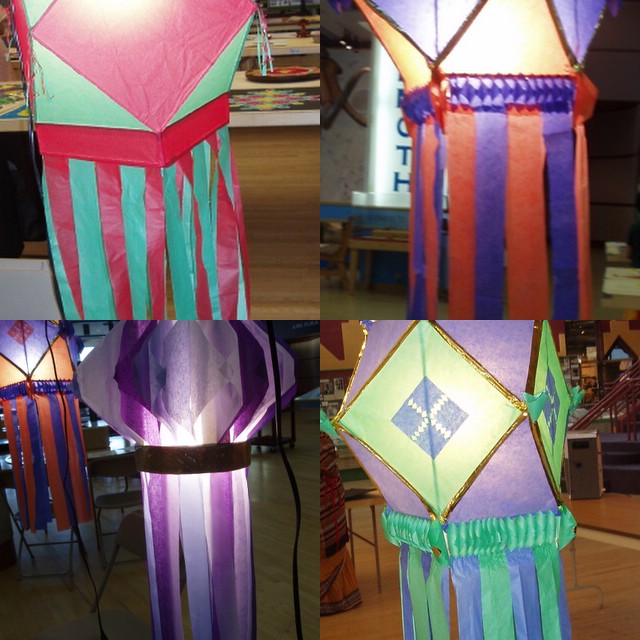
Diwali or Deepawali means a row of lights. The most beautiful of all Indian festivals, Diwali is a celebration of lights. Streets are illuminated with rows of clay lamps and homes are decorated with rangoli (coloured powder designs) and aakash kandils (decorative lanterns of different shapes and sizes). People rise at dawn, massage their bodies and hair with scented oil and aromatic powders-uttana and take a holy bath. Diwali is celebrated with new clothes, spectacular firecrackers and a variety of sweets in the company of family and friends.

Makar Sankrant :
Sankrant means the passing of the sun from one Zodiac sign (i.e. Dhanu)to the other(i.e.Makar). -People exchange greeting and good wishes on this day. Sweet and crunchy ladoos made of sesame and jaggery called “TilGul”are the favourite sweets.

Nag Panchami :
It is a festival in the honour of the Snake God Shesha Nag . Snake worship is an important ritual of the Maharashtrians, and on the festival of Nag Panchami, clay icons of cobras are venerated in homes. People offer sweets and milk to the snake deity . Snake charmers carry cobras in baskets and collect offerings from the public in the streets. Women apply mehendi on their hands and the day is celebrated with dances and songs.

Gudhi PadwaGudhi :
is a victory symbol-characterized by a bamboo stick with a coloured silk cloth and garlanded with flowers and sweets atop .Maharashtrians erect gudhis on Padwa, the first day of the Hindu new year. People welcome the new year by worshipping the gudhi and distribute prasad comprising tender neem leaves, gram-pulse and jaggery. Gudhi Padwa signifies the beginning of a prosperous new year and is considered as a shubh muhurat - one of the most auspicious days - by Hindus.

Pola :
The harvest festival is celebrated by farmers all over Maharashtra. It is an important festival of rural Maharashtra. On this day bullocks, which are an integral part of the agricultural operations are worshipped. They are bathed, colourfully decorated and taken out in processions across the village, accompanied by the music of drumbeats and lezhim (a musical instrument made of a wooden rod and an iron chain full of metallic pieces).

Narali Pournima :
The full moon day of the month of Shravan is celebrated in different parts of Maharashtra and is known variously as Narali Pournima, Shravani Pournima, Rakhi Pournima or Raksha Bandhan. 'Naral' means 'coconut', and Narali Pournmia is thus called because offerings of coconuts are made by people to the sea-god on this day. Narali Pournima also marks the advent of the new fishing season and fishermen appease the sea-god before sailing out in their gaily-decorated boats. The festival is a day of singing and dancing. Raksha Bandhan is also observed on this day. Sisters tie 'rakhis' or beautifully decorated threads on their brothers' wrists. The ritual renews the bond of affection between siblings and signifies the brother's responsibility of protecting his sister all her life.

Gokul Ashtami :
The birth of Lord Krishna is celebrated on Gokul Ashtami or Janmashtami. Most devotees fast till midnight till the birth of Lord Krishna is announced. Gopal Kala-a preparation made of flattened rice and curds is prepared on this day. Another fun-filled ritual performed on this day is dahi-handi - clay pots filled with curd, puffed rice and milk are strung high up above the streets and groups of enthusiastic young men (and even women) form human pyramids to reach these and break them open, the way Lord Krishna and his friends would, after sneaking into the houses of gopis (milkmaids) to steal and eat butter.

Ganesh Chaturthi :
Lord Ganesh, the patron deity of Maharashtra, is the God of wisdom. In August, preparations to celebrate Ganesh Chaturthi - the auspicious day when Lord Ganesh was born - begin with great enthusiasm all over the state. The 11-day festival begins with the installation of beautifully sculpted Ganesh idols in homes and mandaps (large tents), colourfully decorated, depicting religious themes or current events. The Ganesh idols are worshipped with families and friends. Many cultural events are organised and people participate in them with keen interest. After ten exciting days comes the time to bid farewell to the beloved God. People take Ganesh idols in procession to the accompaniment of music and dance for immersion in the sea or nearby river or lake.

Dussehra :
According to the great Hindu epic Ramayan, Dussehra is the day on which Lord Ram killed Ravan, the evil king of Lanka. It is considered as a shubh-muharat - a very auspicious day - to start a new venture. It is a symbol of the victory of good over evil. People decorate the entrances of their homes with torans, marigold flower studded strings, and worship the tools of trade, vehicles, machinery, weapons and books. As the evening falls, the villagers cross the border, a ritual known as Simollanghan, and worship the Shami tree. The leaves of the Apta tree are collected and exchanged among friends and relatives as gold.

Holi/Vasant Panchami :
Holi/Vasant Panchami each year, after a successful winter harvest, people get ready to welcome the spring with Holi - the festival of colours. Holi or bonfires are lit in the night and to worship the fire-god, who is believed to drive away all evil. On the next day, people of all ages come outside and play with each other with coloured water. Brightly coloured powders are applied on faces, and there is plenty of music, dance and sweets to fill the rest of the day.
Modern Festivals of Maharashtra

The Banganga Festival :
Every year, in January, a cultural extravaganza is organised at Banganga, where top artistes from around the country perform live classical music concerts. Cultural enthusiasts attend the festival and feast the soul as well as the mind as the sun sets

The Elephant Festival :
In February Elephanta, a small island near Mumbai, is a favoured destination for culture lovers. It is the site of the Elephanta Festival, the tranquil abode of Lord Shiva, just one-and-a-half-hour's journey by motor launch from Mumbai. Every year, renowned dancers and musicians perform outside the caves, beneath a star-studded sky, to a select and appreciative audience. Special launch services and catering arrangements are provided for visitors.

The Ellora Festival :
MTDC organises the Ellora Festival here in December, inviting in renowned artistes who display their virtuosity in music and dance. Surrounded by 1,400-year old caves and rock carvings, artists perform in this magnificent ambience to enchant the gods, goddesses and human lovers of art. The Kailash temple, sculptured out of one huge rock, is one of the most beautiful backdrops for an event such as this.

Thursday, June 19, 2008

Losar - Buddhist festivals - Tibetan New Year

back to : home page


Losar festival is celebrated to commemorate the advent of new year. It is the Ladakhi or Tibetan new year. The festival is celebrated for 2 weeks during the month of December and january as per the lunar calendar. The festival is marked with ancient rituals,the stage fights between good & evil, chanting and passing through the crowds with fire torches. The dance of the Ibex deer and the dramatic battles between the King & his ministers add to the joyous atmosphere. This festival is full of music, dancing and merry-making.

Origin, Significance and Legends

Kings hate to miss new year parties, too. Singme Namgyar, king of Sikkim, brought the Buddhist New Year celebrations forward by a month because he was going to be out at war on New Year's day!

back to : home page


Even today, Sonam Losar, the Buddhist New Year festival in Sikkim, begins a month before the Buddhist New Year. Tibetans and other Buddhists in India kick off Losar festivities a month later - a week before new year's day, in fact.

For all Buddhists, Losar is a sacred time and a time for feasting and celebration. It is a time to be with the family, and a time to ensure that bad omens are not carried into the new year.

back to : home page


Rituals

Homes are painted, new clothes are stitched, debts and quarrels are resolved, good food is cooked, and intoxicants are drunk in the run-up to New Year's day. Homes are decorated with flour paintings of the sun and moon, and small lamps illuminate the house at night.

The first few days of festivities are exclusively family affairs, as are the first days of the new year. Later, the festivities roll out onto the streets. Tab-zan, a special bread, features in the family meals.

In Sikkim, on the fifth day of Losar, a special broth of boiled barley grains, peas and the stomach of a sheep, is prepared. Dib rug, a dish made by stuffing sheep intestines with barley dough kneaded in sheep blood, is another speciality during Losar.

back to : home page


In the night, the swishing sound of burning torches can be heard around a Buddhist home, as menfolk whirl flaming torches over their heads in an effort to ward off evil spirits, sickness, dog bites and other misfortunes from striking their family in the new year.

Since the new year is on the cards, Buddhist families take special care to ensure that positive things happen all the time. So, the ceremonies are umpteen.

In Sikkim, a male and female goat are sacrificed after a purification ceremony in which the animals are washed, their ears are stitched with ribbon, their bodies are smeared red, and they are made to drink the local brew, chang.

In another ceremony named Mesol, the family visit the resting places of their ancestors, light a lamp, and offer food and drinks. The family then eat the food, which is considered blessed. In some homes, the men race through the house firing guns or crackers. Costume dramas are performed. Archery contests and horse races are held. And everywhere, chang flows.

On the morning of the new year, families rise before dawn, bathe, put on new clothes and fine jewellery. Offerings of barley flour mixed with butter and sugar and yogurt are then made at the family shrine. This represents the hope for a good grain harvest. After a visit to local monasteries, the family settles down to feasting and drinking.

Celebrated In

Losar is celebrated as Sonam Losar in Sikkim, and also elsewhere in India by Buddhists.

back to : home page

Ullambana Sutra - Buddhist Festival

back to : home page


Ullambana festival is the most popular festival in China and Japan. On this day it is believed that the "Gates of the Hell" are opened and the dead ones pay visit to their loved ones. During this festival offerings are made to the spirits of the dead and to the hungry ghosts in order to bring good fortune and luck. It is celebrated on the 15th day of the 7th lunar month.

Origin, Significance and Legends

Ullambana is the festival of deliverance, and advocates and reinforces the concept of filial piety. The word ullambana translates into "deliverance from suffering", and specifically refers to the salvation that is granted to tormented souls in hell.

According to Buddhist legend, the observance of this festival is based on the story of Maudgalyayana (Moginlin or Mogganalla, as per Oriental legends) and his mother.

back to : home page


Maudgalyayana discovers through his meditative powers that his mother has been reborn in the realms of pain and suffering. When he learns that her spirit is being subjected to hunger and misery, he decides to go to the netherworld to relieve her of her suffering.

Once he goes there, Maudgalyayana finds his mother starving and in a pitiful state. He offers her food, but when she tries to eat it, the food turns to smouldering pieces of charcoal.

Maudgalyayana is distressed and seeks advice and help from his master, the Buddha. Buddha tells him that his mother's offences are deep-rooted and that he alone will not be able to ease her sufferings. He advises Maudgalyayana to make offerings of five fruits, incense, oil, lamps, candles, beds and bedding to the assembled members of the Order and pray along with them for the liberation of his mother's soul.

back to : home page


The Buddha also tells Maudgalyayana that by making such an offering, not only his mother but his forefathers and kith and kin will also escape suffering and attain eternal bliss and salvation.

The day on which Maudgalyayana performed the act of compassionate filial conduct and brought salvation to his forefathers is celebrated as Ullambana. It is observed on the 15th day of the seventh Buddhist lunar month, and occurs in August in the Augustan calendar.

On this day, Buddhists offer prayers both to their departed forefathers and to their living parents and elders.

back to : home page


It is generally believed that one who performs a good deed accumulates spiritual merit. It is considered an even more pious act when the merit earned is shared with departed souls, which will help them to be reborn in good realms and alleviate their suffering.

Ullambana is celebrated by Buddhists the world over. Though there are slight variations in certain customs and beliefs, the fundamental rituals remain essentially the same. Besides offering prayers to the souls of deceased ancestors and welfare of their parents, people carry offerings such as food, medicine and clothes for monks and nuns in monasteries.

In China and Taiwan, Ullambana has absorbed the traditional Ghost Festival, which has the similar goal of praying for the welfare of departed souls. The two festivals are together celebrated as Chung Yuan Putu, translated as "Mid-origin Passage to Universal Salvation". On this day, an offering of meat, together with a prodigious table of wine is made to one's ancestors and ghosts from the netherworld.

In Singapore, the festival is known as Ching Ming Jie.

The date of Ullambana depends on the calendar that is followed, and varies slightly in different parts of the world.

back to : home page

Buddha Poornima - Buddha Jayanti

back to : home page


Buddha Jayanti or also known as Buddha Purnima is the most sacred festivals of Buddhist. Buddha Purnima (Buddha Birthday) is celebrated in remembrance Lord Buddha. Lord Buddha is the founder of Buddhism. This day is the birth anniversary of Lord Buddha. It falls on the full moon of the fourth lunar month (month of Vaisakh) i.e. April or May. This day commemorates three important events of Buddha's life

Buddha's birth in 623 BC.
Buddha enlightment i.e. attainment of supreme wisdom, in 588 BC.
Buddha attainment of Nirvana i.e. the complete extinction of his self at the age of 80.

This day is a thrice blessed day. Lord Buddha is considered the ninth avatar (incarnation) of Vishnu (Preserver in the Hindu Holy Trinity of Creator-Preserver-Destroyer). Gautam Buddha "lived and died in about the fifth century before the Christian era". Buddha means "enlightened one" - someone who is completely freefrom all faults and mental obstructions.

Gautam Buddha was not a god and the philosophy of Buddhism does not entail any theistic world-view. The teachings of the Buddha are solely to liberate human beings from the misery and sufferings of life.

According to the Buddhism, sorrow and desire are the main cause of all the evil and suffering of this world. Lord Buddha advocated the Eightfold Path consisting of precepts like right conduct, right motive, right speech, right effort, right resolve, right livelihood, right attention and right meditation to gain mastery over suffering. It is only after following this path one can reach the ultimate aim of Nirvana. Nirvana is the transcendental state of complete liberation. Gautama Buddha lived and taught in northern Inda in the 6th Century B.C.

back to : home page


Buddha travelled far and wide teaching hundreds of followers. Even after death his disciples continued to spread his teachings.

Rich and poor alike were attracted by the simplicity of Buddha’s teaching and his emphasis on complete equality of all, a notion antithetical to the existing Hindu caste system. The Mauryan Emperor Ashoka espoused the Buddhist religion in the 3rd century B.C. and helped in spreading it far and wide. Sarnath and Bodhgaya are two of the most important pilgrimage centres for the Buddhists.

Though Buddhism originated in India and the religion has gained tremendous popularity throughout the Far East in Asia, there are very few practising Buddhists in the country. The number of Buddhists in the world ranges "from less than two hundred million, to more than five hundred million, with the lower number closer to reality."

back to : home page

Tuesday, June 3, 2008

Eid UL Fitr | Muslim Festivals | Eid Fitr

back to Indian festivals list

Eid Ul Fitar or the festival of fast breaking is the biggest Muslim festival. Eid is derived from the Arabic word ‘oud’ or ‘the return’ to signify, well, the return of Eid each year. The festival is significant as much for its timing as for its religious implications.


It is celebrated after the fasting month of Ramzan (the ninth month of the Muslim year), on the first day of the Shavval month of the Hijri year (Muslim year). It is believed that the Koran was revealed to Prophet Mohammed in the month of Ramzan.105 million Muslims make India the second most populous Islamic nation in the world. They form India’s largest minority and constitute almost 12% of India’s total population.


Islam is also the most recent religion added to India’s already potent cultural concoction. Islam came to India in the 12th century a.d. and opened a dialogue with Indian culture especially under the Mughals. Needless to say, it was a mutually enriching experience. A majority of India’s Muslims live in the north but a significant number are found all around the country. Hence their traditions add yet another dimension to the vast cultural landscape of India.

back to Indian festivals list
 
DIWALI, DIWALI CELEBRATIONS, FESTIVAL OF LIGHTS DIWALI, DIWALI HISTORY, story of Diwali, Deepawali gifts ideas, FESTIVALS OF INDIA, FESTIVALS OF USA, FESTIVALS OF BRITAIN, FESTIVALS OF CHINAFESTIVALS OF USA, REGIONALS FESTIVALS OF USA, BEER FESTIVALS, MUSIC FESTIVALS, ART AND FOLK FESTIVALS, FESTIVALS OF WISCONSIN, CALIFORNIA, NEW YORK, CALIFORNIA, ILLINOIS, KENTUCKY, MARYLAND, MAINE, ALASKA, ARIZONA, ALABAMA, OHIO, COLORADO, CONNECTICUT, MICHIGAN, MUSIC FESTIVALS OF USA, USA MUSIC FESTIVALS, CULTURAL FESTIVALS, COMMUNITY FESTIVALS OF USA, INDIAN FESTIVALS, CHINESE FESTIVALS, BRITISH FESTIVALS